
Executive Perspective
The Hidden Cost of “Good Enough”: What Executive Transportation Says About Your Business
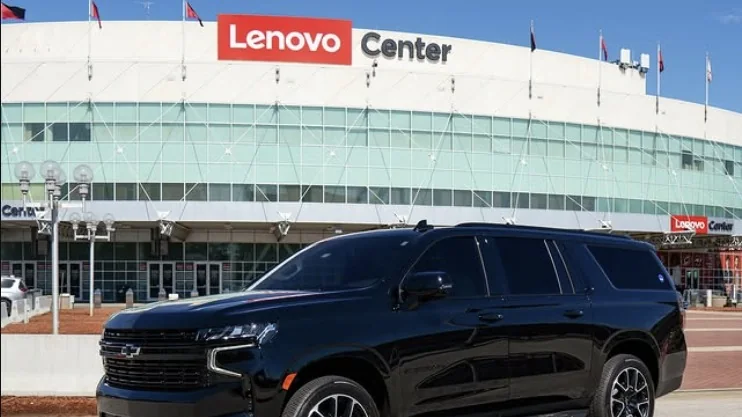
Nobody questions the importance of executive leadership.
Companies invest in strategy, talent, technology, and operations. But one business decision often gets treated as an afterthought: how leaders move.
For years, rideshare apps solved a convenience problem. They are fast, available, familiar, and practical for many situations.
But executives do not always operate in ordinary conditions. Their calendars are compressed. Meetings carry weight. Clients form impressions quickly. Expectations are different.
Convenience Is Not the Same as Consistency
Rideshare changed expectations around access. But executive schedules are not built around “mostly reliable.” They are built around certainty.
When timing matters, transportation becomes more than movement. It becomes part of the operating system—not simply because the vehicle is different, but because the experience is.
It provides quiet space before a board meeting, predictable arrivals, and the ability to remain in work mode instead of shifting attention to logistics. It also gives a company confidence that the person arriving to meet a client reflects the standards of the business.
The Productivity Nobody Measures
Executives rarely lose hours—they lose fragments.
Eight minutes finding a pickup location. Ten minutes adjusting plans. Fifteen minutes recovering focus.
Small moments create hidden costs. Professional transportation does not necessarily save miles; it often saves decisions. Reducing decision fatigue may be one of the most overlooked advantages of executive travel.
What Arrival Communicates
People notice more than we think: a client arriving for a meeting, a candidate visiting headquarters, or a leadership team attending an event.
Transportation quietly communicates whether details matter. It communicates intentionality, not extravagance.
For Raleigh-Durham businesses coordinating travel through RDU, corporate campuses, hotels, and meeting venues across the Triangle, that consistency can shape both the traveler’s day and the impression surrounding it.
The Value of a Known Transportation Partner
A named transportation contact changes the experience. Preferences do not have to be explained from the beginning every time. Changes can be communicated directly. Executive assistants and coordinators know who is responsible for the trip.
This relationship-based approach helps transportation become predictable—the very quality executive schedules depend on.
The Better Question
The conversation is not whether private transportation is always better than rideshare. For many situations, rideshare remains perfectly practical.
The better question is this: when outcomes matter most, should transportation feel accidental?
The answer depends on how valuable time, consistency, discretion, and experience are to the business. Increasingly, those details matter more than they once did.
When Outcomes Matter, Transportation Should Not Feel Accidental
Is your current transportation process supporting the standard your business wants to project? It may be worth a 15-minute conversation.
Start a Conversation